Bathing and Preening: Keeping Your Bird's Plumage in Good Condition
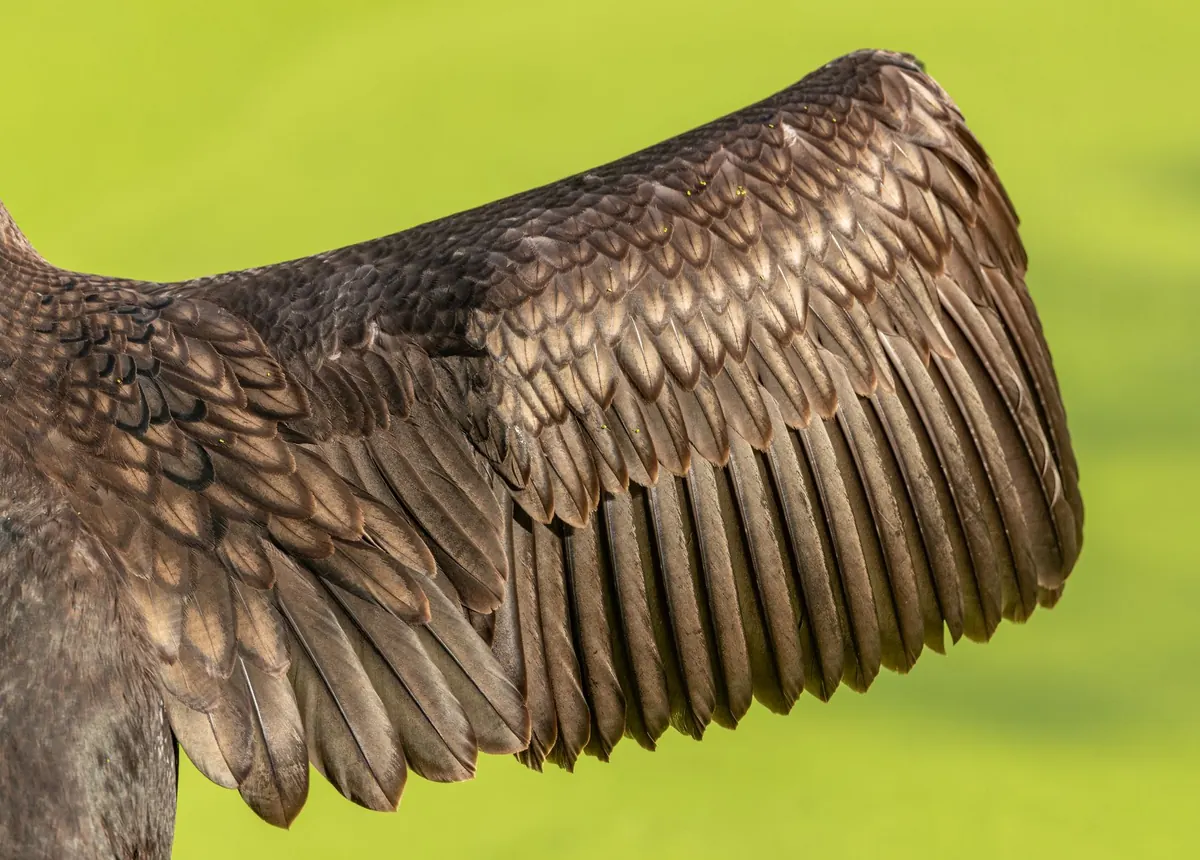
Feathers do an enormous amount of work. They lift a hawk into a thermal, shed rain, hold warmth through a frosty morning, and tell you something about the bird's health every time it is handled. When plumage goes wrong — bent primaries, brittle tips, a patch of stained feathers around the crop — the cause is usually routine: too little access to water, drying off in a draught, or perches and furniture that damage feathers faster than the moult can replace them. Bathing and preening are the two habits that keep everything else in order, and both are easier to get right once you understand what your bird actually wants.
What bathing actually does
Water does three jobs at once. It lifts dust, droppings and dried food out of the plumage. It lets the bird realign the vanes after a night hunched on the perch. And it gives it the chance to work oil from the preen gland along each feather, which keeps them supple and helps them shed water rather than soak it up.
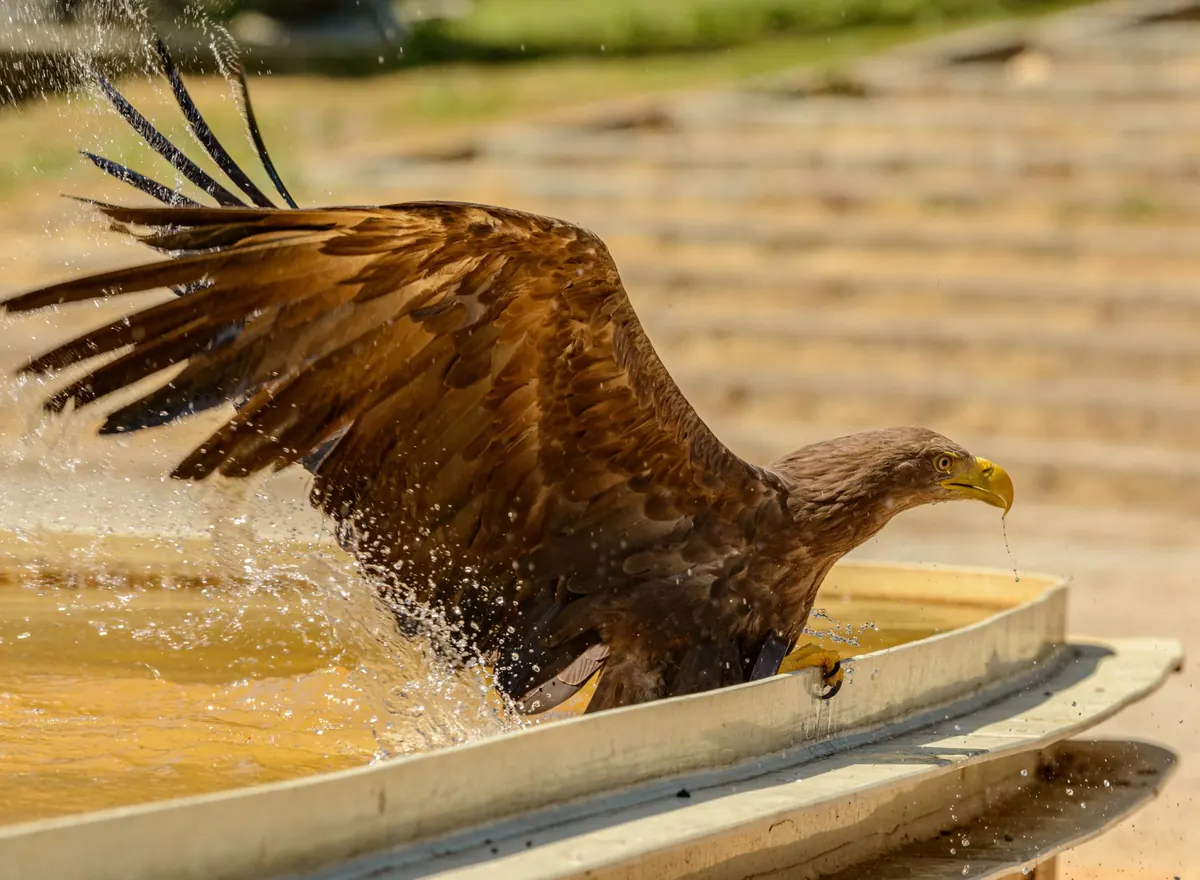
There is a behavioural side too. A hawk that dunks and flaps in a tray comes off the perch with cleaner feathers and a good deal less restless energy. Bathing is enrichment as much as hygiene.
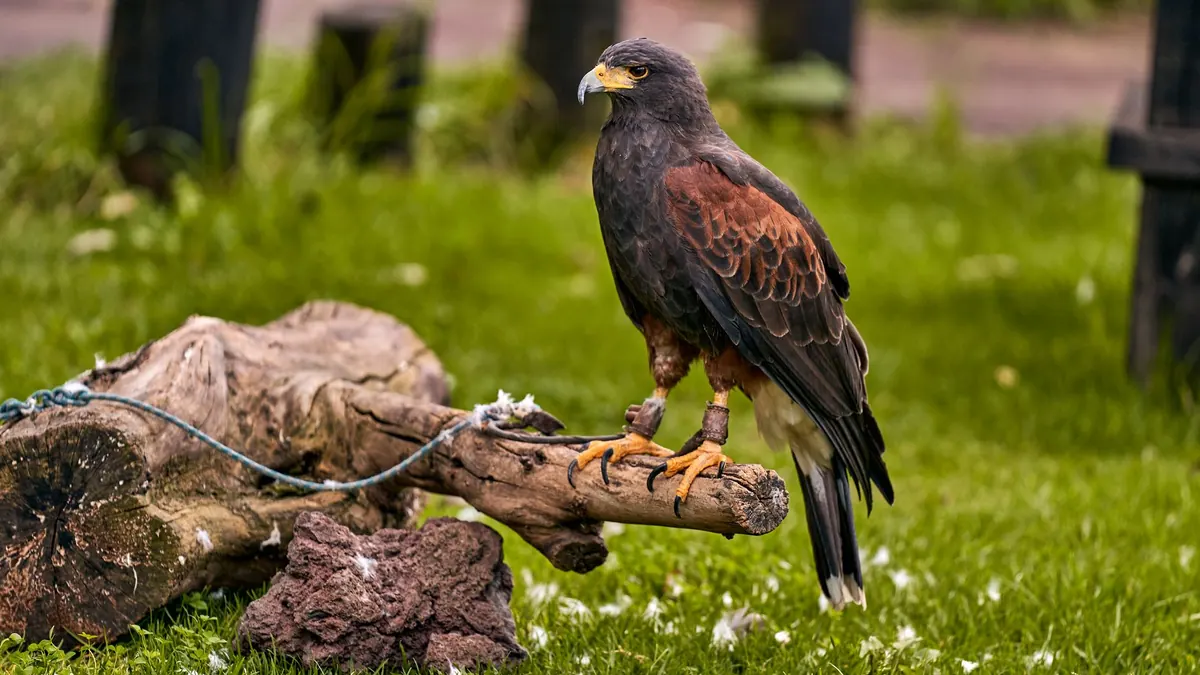
Not every bird reads from the same script. Many hawks, goshawks and Harris' hawks among them, will bathe enthusiastically given half a chance. Plenty of falcons would rather ignore water altogether and would choose a dust bath if you offered one. Owls range from keen to thoroughly indifferent. Take your cue from the individual bird on the perch rather than the species label.
How often to offer water
For most birds, a bath every day or every other day in mild weather is a sensible baseline. Increase that during the moult, when new feathers are coming through and the bird is preening hard, and in hot spells, when a soak helps with temperature as well as cleanliness. In cold weather, once or twice a week is often plenty for a flown bird in good condition: a thoroughly wet bird on a January afternoon chills quickly, and your drying arrangements matter more than the bath itself.
Newly acquired birds deserve daily offers while they settle in. Some will bathe on the first day. Others will ignore the tray for a fortnight and then jump in as though they had been doing it for years.
Watch for the signs. A hawk that leans towards the tray, dips a foot, splashes with its beak or hops down from the perch is asking. Put the tray within reach and step back. If the bird shows no interest after twenty minutes, lift the water away and try again in a day or two. There is no merit in forcing the issue.
A light misting of tepid water can help on a hot day for birds that tolerate it, but never spray directly at the face and never use cold water. A bird that clearly dislikes being sprayed should not be sprayed.
Setting up a safe bath
Most bathing accidents are preventable with a few minutes of preparation. Before you put a tray down, check the following:
- Depth: 2–5 cm of water is enough for almost any bird. Deep water is a drowning risk, particularly for a tethered bird that cannot climb out easily.
- Temperature: tepid, roughly room temperature. Not hot, and not straight from a cold outdoor tap in winter.
- Stability: a wide, heavy tray that will not tip when the bird steps on the rim.
- Footing: rubber matting, a flat stone or a square of artificial turf on the bottom gives grip and confidence.
- Leather off first: remove jesses and leash, and anklets where practical. Wet leather stiffens as it dries, and damp leather resting against a leg rubs.
- Location: somewhere warm and out of the wind. A draught across a wet bird undoes the good of the bath.
- Supervision: never leave a bathing bird unattended, and never leave standing water within reach of a tethered bird when you walk away.
The drying spot matters as much as the bath. A still, warm perch in an aviary or a quiet room at normal household temperature is ideal. Avoid hairdryers; the noise and the heat are both unkind. Never fly a wet bird — wet plumage is heavier and more easily damaged, and a soaked bird taken into cold air loses heat fast.
What healthy preening looks like
A bird in good order preens in short bursts, usually after bathing, after feeding and again before roosting. It works from the tail forward, nibbling along each shaft, drawing feathers through the beak to zip up the barbs, and reaching back to the preen gland at the base of the tail to collect oil and spread it through the plumage.
Head and neck feathers cannot be reached with the beak. Birds scratch the head with a talon and then preen the talon, which is why clean, well-conditioned feet matter to feather care. A bird that has been standing in wet, soiled footing all day will transfer that mess straight to its head.
Your job is to give preening the best possible conditions: a perch of the right diameter so the bird is not constantly shifting its feet, furniture with no sharp edges or protruding screws, leather that is clean and supple rather than cracked, and enough quiet time for the bird to get on with it. Diet matters too — a bird on poor or unbalanced food will preen endlessly and still look rough. If plumage stays dull and brittle despite good husbandry, ask an avian vet to review the diet before you change anything yourself.
Spotting feather problems early
Feather damage rarely appears overnight, and the earlier you spot it the easier it is to deal with. Handle your bird regularly; a quick check of the wings, tail and breast while it sits on the fist takes seconds. Worth investigating:
- Feathers that stay dull, greasy or dusty even with regular bathing.
- Staining or matting around the crop, vent or nostrils, which often points to a problem inside the bird rather than on it.
- Snapped or chewed primary and tail feathers, especially when the damage is symmetrical — that usually means furniture, transport boxes or a bird that is fretting.
- Bare patches of skin, particularly under the wings or on the breast.
- Relentless preening of one spot, or plucked feathers appearing in the aviary or beneath the perch.
- Small holes in feather shafts, fine dark debris in the plumage, or a bird that is restless at night.
- A bird that suddenly refuses to bathe when it has always enjoyed it, or a moult that stalls and leaves ragged old feathers in place.
Some of these are husbandry problems you can fix with better perches, cleaner equipment or a calmer routine. Others need an avian vet. Feather plucking, feather cysts and parasites are not things to manage with guesswork, and any bird losing condition alongside poor plumage should be seen promptly rather than treated at home.
A simple weekly routine
None of this needs to be complicated. A workable pattern for a flown bird:
- Offer a bath at least twice a week, more often during the moult and in warm weather.
- Check depth and temperature, put down non-slip footing, and take the leather off first.
- Let the bird dry completely in a warm, still place before it flies or goes into a cold weathering.
- Run your hands over wings, tail and breast once a week, looking for damage while it is still minor.
- Replace jesses, anklets and leash as soon as the leather cracks or stiffens — worn kit snags feathers.
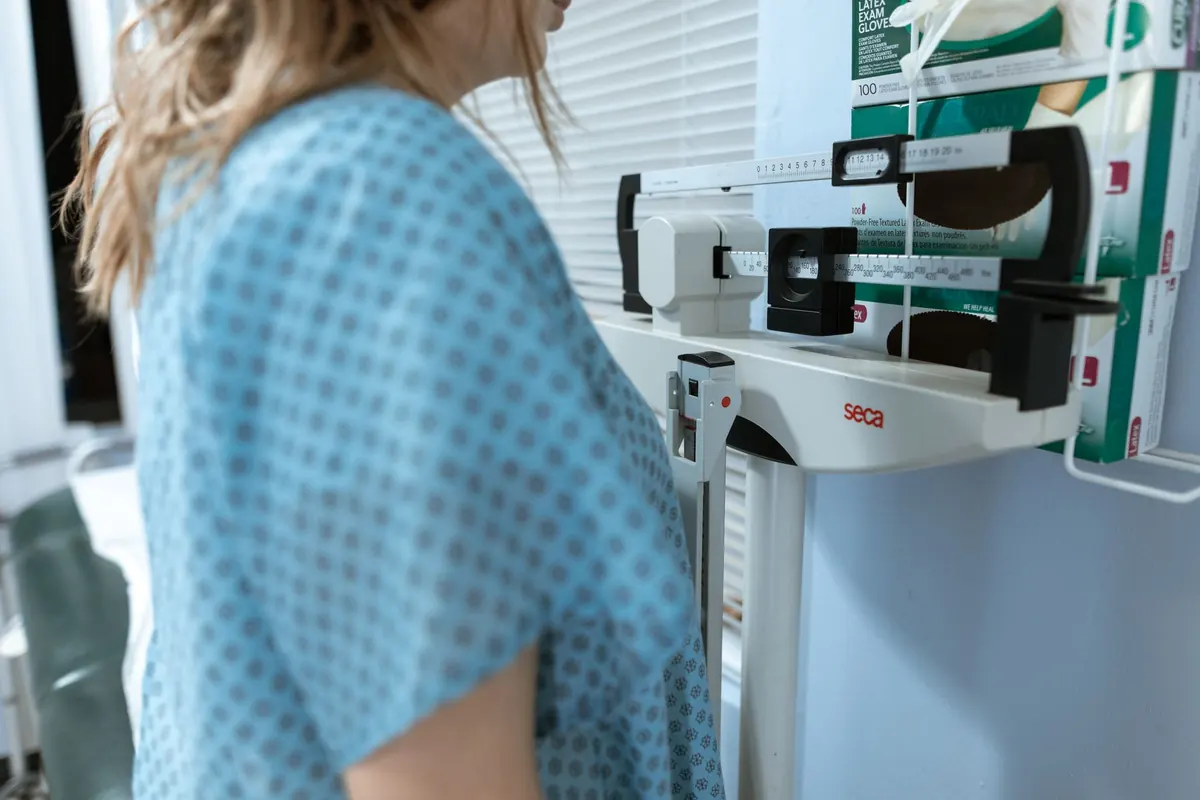
- Weigh regularly. Plumage and weight together tell you far more than either on its own.Photo: Petr Ganaj / Pexels
Falconry Gift Guide: Presents for the Falconer in Your Life
A practical falconry gift guide: useful presents at every budget, how to judge leather and metalwork, and...
Flying Weight Explained: Reading Your Bird's Condition Safely
How to find and hold a working bird's flying weight, score condition by hand, and build a daily weighing...
About Us