Falconry Gift Guide: Presents for the Falconer in Your Life
A falconer's kit is a working kit. Everything in it has a job, and most of it wears out. Jesses crack, swivels seize, gloves stiffen, lures lose their shape, and leather dries out over a summer in the shed. That makes buying presents easier than you might expect, because the good gifts are rarely decorative. They are the things picked up twice a day, every day, through the season and through the moult.
Here is a spread of ideas from small consumables to pieces worth saving for, along with the details that decide whether a gift lasts one season or ten.
Ask one question before you spend anything
Falconry equipment is sized to the bird, not the falconer. A pair of jesses that suits a peregrine is useless on a male kestrel, and a glove that fits a small hawk will not protect your hand on a goshawk.
So ask what species is being flown and which bits of kit are close to replacement. Most falconers will answer within seconds, often with a list. Two follow-ups are worth adding. Do they use a hood? Some do, plenty flying Harris's hawks don't, and a beautifully made hood is an expensive ornament if it never leaves the bag. Is there a maker or supplier they already trust? Falconers are particular about stitching, buckle weight and how a swivel sits.
Small gifts that get used every day
Consumables are the safest ground for a modest budget. Nothing here is glamorous, and nothing ends up in a drawer.
- Spare jesses — leather, in the correct width for the bird. Buy two pairs; they wear first and wear fastest.
- Swivels — stainless or brass, running freely under load. A spare or two in the bag has saved many a morning.
- Anklets and bewits — soft, well-oiled leather, again sized to species. Good ones are inexpensive enough to give as a present.
- Leather balm or dubbin — for gloves, jesses and straps. A tin lasts years and prevents the cracking that ends a kit's life early.
- Digital scales — accurate to the gram or better, plus a spare battery. Daily weights matter more than any other number in falconry.
- Blunt-nosed scissors and a soft feather brush — the quiet tools of feather care on a wet afternoon.
- A hawking notebook — weight, weather, quarry, flights. Small, sturdy, and it lives in the bag.
If you want one item from this section that feels like a proper present rather than a top-up, a handmade pair of jesses with matching anklets is the answer. Ask the maker to help with sizing and don't guess.
Mid-range: replace what's wearing thin
This is the sweet spot. Think of it as paying for the single item the falconer has been meaning to replace for two seasons.
A good glove or gauntlet sits at the top of that list. Look for leather that flexes without cracking, hand-stitched seams, a cuff deep enough to protect the forearm, and a lining that doesn't bunch. A well-made glove can be re-stitched and re-oiled for years; a cheap one goes hard and slippery inside a season.
Other sensible choices: a weatherproof hawking bag or rucksack with pockets laid out for scales, telemetry and a lure; a flight line or creance of properly braided cord; a transport box that is easy to clean and dark enough to keep a bird calm; turf-topped perches; or a sturdy bow perch with a leather-bound top, if the current one has gone slick.
Telemetry belongs here too, with a caveat. A receiver and transmitter set is among the most useful gifts a falconer can receive, but radio equipment has to be legal and licensed for use in the UK, and it should be chosen around the bird, the terrain and the kit already in use. Buy through a specialist supplier, match the frequency to the bird, and don't spring it as a surprise.
The bigger gesture: pieces worth saving for
Sometimes you want to spend properly, and the safest way is one item of the best quality you can afford, made by someone who does nothing else.
- A made-to-measure glove, cut to the falconer's hand and reinforced where the bird sits.
- A hand-stitched hood from a maker who will repair it, if hoods are part of the routine.
- A lure, block perch or weathering setup built from seasoned timber and finished to live outdoors.
- Books — good manuals on training, weight management and the history of the sport repay re-reading.
- Club membership or a day's hawking with an experienced falconer — sociable, useful, and often better value than more kit.
Experiences deserve a mention because kit is only half the story. Time in the field, in good company, with someone who knows what they are doing, tends to stick in the memory longer than a new bag.
How to judge quality before you buy
Leatherwork
Look for leather that bends without cracking, edges that are finished rather than left raw, and stitching that runs evenly and is locked off at the ends. Thickness matters less than temper: equipment has to flex, and leather that is too stiff will rub. Machine stitching is not automatically worse than hand stitching, but cheap rivets in place of thread rarely survive a season.
Metalwork
Swivels should spin freely before they are loaded and stay that way. Solid brass and stainless steel are what to look for, and mixed metals in contact with each other corrode, especially in wet weather. Check that buckles are smooth and that nothing has a sharp edge where a leash or jesse passes over it.
Fit
Sizing is a welfare matter, not a matter of taste. Anklets that are too loose can slip or twist, jesses that are too wide interfere with the bird's movement, and a glove that doesn't fit is a glove that gets left behind. Ask the supplier for a size guide, give honest measurements, and buy from someone willing to exchange.
Getting the gift right
A short order of events makes this much easier.
- Find out the species being flown and what is wearing out.
- Buy one good item rather than a bundle of cheap ones.
- Check the returns policy before ordering anything sized.
- Add a small consumable — swivels, a tin of leather balm — so the gift is usable straight away.
- Keep the receipt tucked inside the packaging, so an awkward size becomes a five-minute fix rather than a wasted present.
Don't be put off by how specific all this sounds. Falconers are practical people, and a gift that goes straight into the bag on the first cold morning of the season will be remembered far longer than anything wrapped to look impressive.
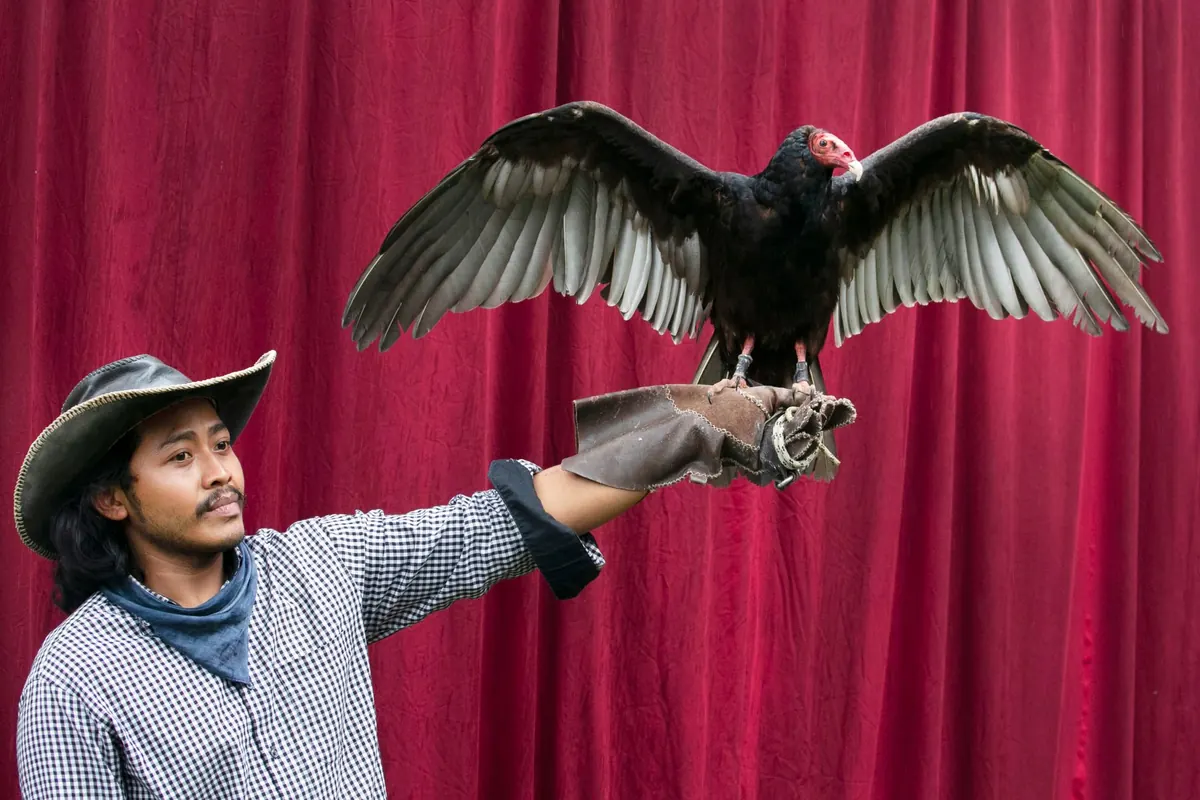
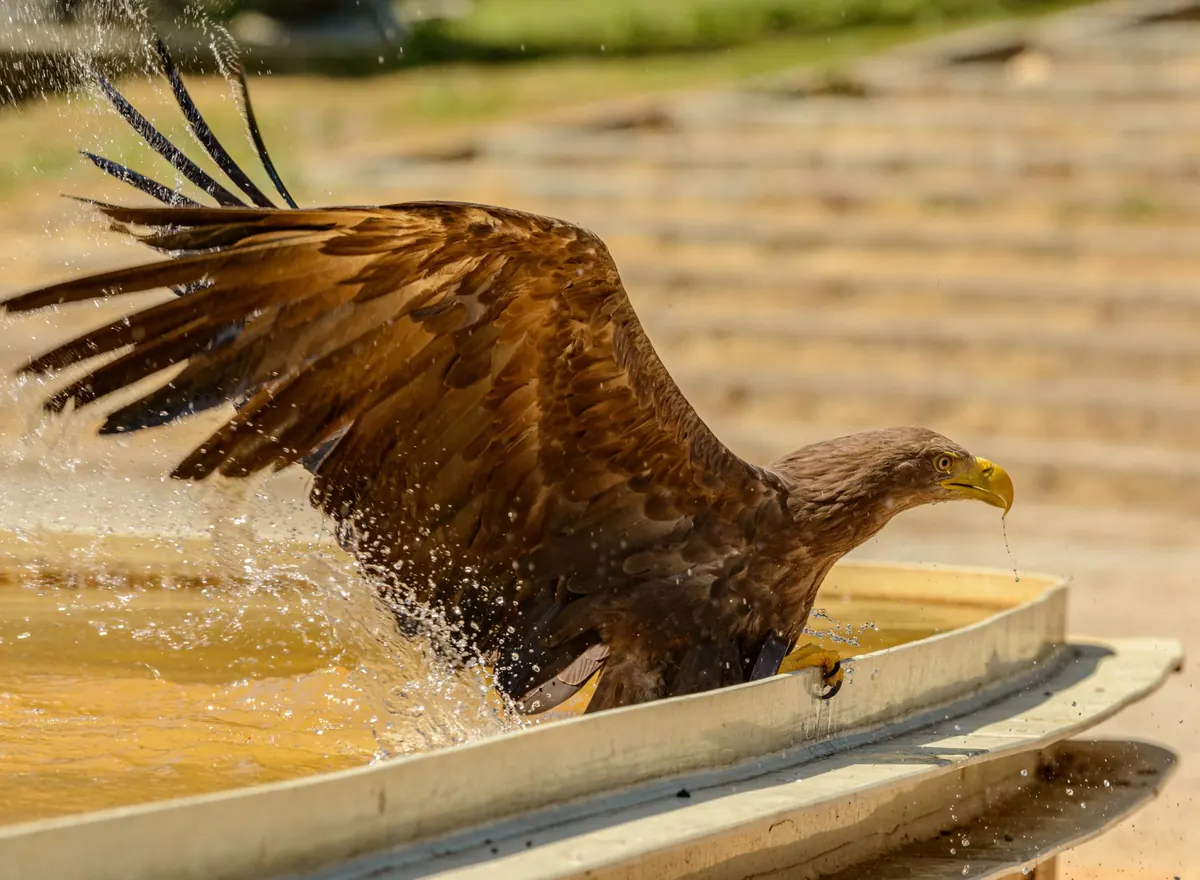
Photo: Jeffry Surianto / Pexels
Flying Weight Explained: Reading Your Bird's Condition Safely
How to find and hold a working bird's flying weight, score condition by hand, and build a daily weighing...
Bathing and Preening: Keeping Your Bird's Plumage in Good Condition
Bathing and preening keep plumage supple, waterproof and ready for work. Here is how to offer water...
About Us