Weathering Your Hawk: Setting Up an Outdoor Tether for British Weather
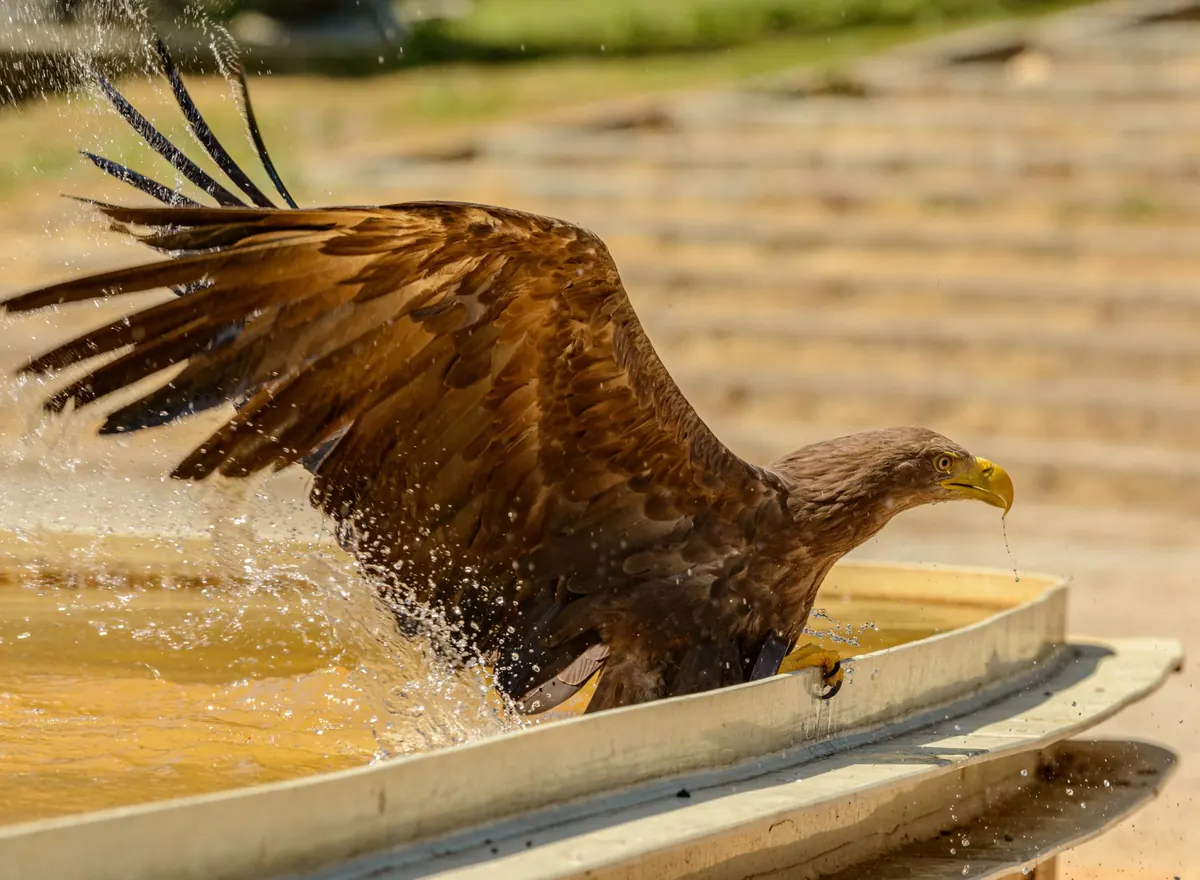
Weathering a hawk is one of the oldest practices in falconry, and one of the simplest: let the bird live outdoors in fresh air and real weather. Done well it keeps plumage tight, feet dry and the bird's temperament level. Done badly, it means a soaked, chilled hawk on a tether you have to untangle in a gale. In Britain the difference almost always comes down to preparation, because our weather rarely arrives as forecast.
Start with the Site, Not the Perch
Before you buy anything, stand in the garden and watch it through a wet afternoon. Where does water collect? Which corner takes the full force of a south-westerly? Where does the sun sit at two o'clock in July? A weathering area that works in Devon or Fife is one chosen with those questions already answered.
Look for ground that is well-drained, sheltered from the worst wind but still open to the air, and easy for you to reach in boots and a waterproof. Avoid low spots where puddles linger, and avoid the lee of a wall that turns into a wind tunnel. A gentle slope is ideal: water runs off, and the bird gets morning sun without baking all day.
Drainage: The First Test
British rain is rarely a short, sharp shower. It is more often a slow, persistent soak that lasts for days. If your ground holds water, your hawk will be standing in mud or on a perch that never dries. That leads to foot problems, including bumblefoot, and a miserable bird. Test drainage by digging a small hole a spade deep after heavy rain. If it fills with water and stays full, choose another spot. A layer of gravel or a raised platform can help, but it is no substitute for naturally free-draining soil.
Windbreaks and Shelter
You want wind to move air around the bird, not blast it sideways. A solid wall on the prevailing wind side is useful, but it must not create turbulence. A porous barrier—such as a slatted fence, a hedge, or a row of willow hurdles—is better because it filters the wind rather than forcing it up and over. Leave the opposite side open so stale air cannot stagnate. In exposed parts of the country, a three-sided shelter with a roof is worth the effort, but make sure the open side faces away from the worst weather.
Sun and Shade
Hawks need access to sun for feather health and vitamin D, but they also need shade. A bird tethered in full sun on a still July day can overheat quickly. Plant a shrub, use a shade sail, or position the perch so it moves through dappled light. In winter, low sun is welcome, but avoid a spot where the bird is in shadow all day and never dries out.
Choosing the Right Perch and Tether
The perch is where your hawk spends most of its life, so it must be kind to feet and stable in bad weather. The tether must be strong enough to hold a bating hawk but supple enough not to injure it.
Perch Types for British Weather
- Bow perch: A curved metal or wooden perch with a padded top. Good for most hawks, but the padding can soak through in prolonged rain. Check it weekly for wear.
- Block perch: A heavy wooden block with a flat top. Excellent for short-winged hawks, but untreated wood absorbs water and can freeze. Use a marine-grade sealant or a rubber mat on top.
- Ring perch: A circular perch that lets the bird move around. Good for longwings, but it must be anchored securely so it does not tip in wind.
- Platform perch: A flat, raised platform with a non-slip surface. Best for birds that prefer to stand flat, and easy to keep dry.
Tether, Swivel, and Jesses
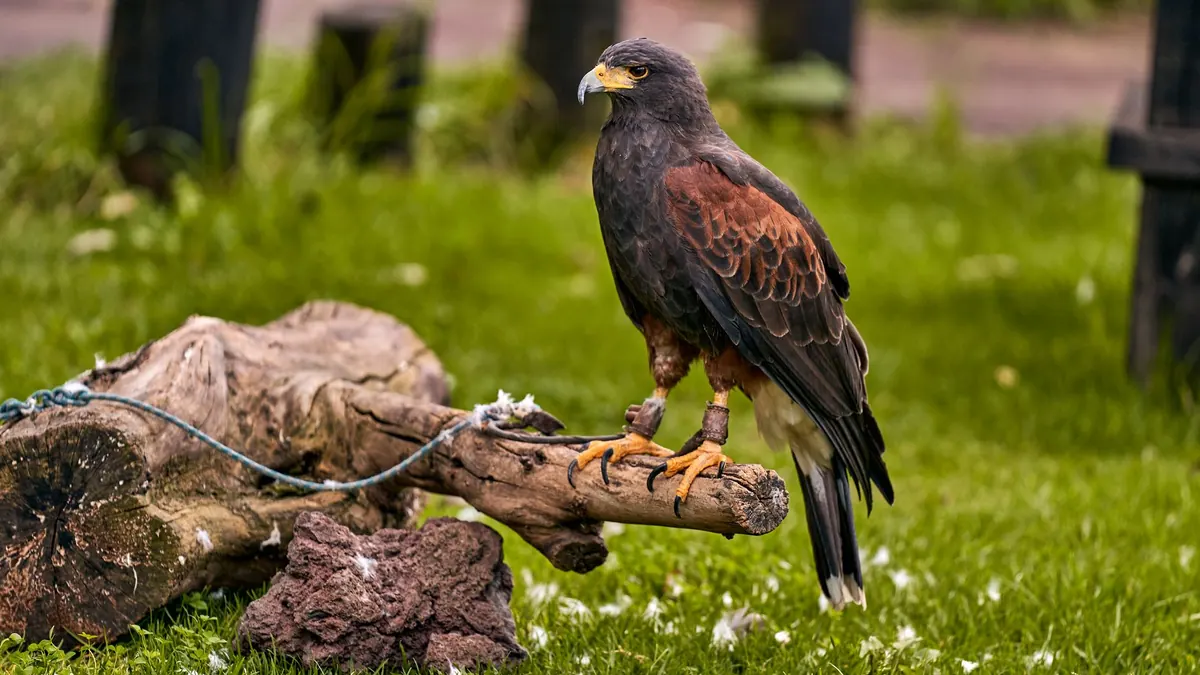
Use a swivel to prevent the tether from twisting. A good quality stainless steel swivel will not rust or seize. The tether itself should be a braided cord with some stretch, not a chain that can kink and injure a leg. Jesses should be leather, well-oiled, and checked daily for cracks. In Britain, a tether that is too long will snag on wet ground; too short and the bird cannot move to shelter or shade. A length of around 60–90 cm from perch to swivel is a good starting point for most hawks, but adjust to the individual bird and site.
Remember: a weathering hawk is not a forgotten hawk. The tether is a tool, not a substitute for daily care.
Weather-Proofing Your Setup
Rain and Damp
Constant damp is the enemy of feather condition. Provide a roofed shelter that the bird can use at will. A simple lean-to with a clear plastic roof works well, but make sure it does not trap heat in summer. Raise the perch off the ground so water does not splash up. If the ground stays wet, lay a gravel pad or a rubber mat underneath.
Wind and Gales
British gales can arrive with little warning. Check that the perch is anchored deep enough to withstand a strong gust. A ground anchor or a heavy base is essential. If you use a screw-in anchor, go for one designed for dogs or horses, not a flimsy tent peg. During a named storm, consider moving the hawk to a secure indoor space or a fully enclosed weathering shed. No tether is worth a broken leg or a lost bird.
Frost and Snow
Hawks can cope with cold if they are dry and well-fed. But ice on the perch is dangerous—feet can stick and tear. Use a perch cover or bring the bird inside during hard frosts. Snow can also block the swivel and tether. Clear it regularly. Never leave a hawk on a metal perch in freezing conditions without a non-stick cover.
The Daily Routine
Morning Check
- Look at the bird from a distance before you approach. Is it standing evenly? Are the feathers puffed or sleek?
- Check the tether, swivel, and jesses for wear or tangles.
- Remove any ice, snow, or standing water from the perch.
- Offer fresh water in a heavy bowl that cannot be tipped.
Evening Check
- Make sure the bird has a dry perch and access to shelter.
- Check the weather forecast. If heavy rain or wind is due, adjust the setup or move the bird.
- Weigh the hawk and record it. Sudden weight loss can signal stress or illness.
Common Mistakes and How to Avoid Them
Even experienced falconers make mistakes. Here are the most frequent ones:
- Choosing a pretty spot over a practical one. A view is nice, but drainage and shelter matter more.
- Using a tether that is too long. A long tether lets the bird fly into fences or trees, causing injury.
- Forgetting to check the swivel. A seized swivel can twist the tether and trap the bird.
- Leaving the bird out in extreme weather. Hawks are tough, but they are not invincible. Use common sense.
- Ignoring foot health. Wet, dirty perches cause bumblefoot. Clean and dry them regularly.
A Welfare and Legal Checklist
Weathering is a privilege, not a right. In the UK, you must comply with the Animal Welfare Act 2006 and any local byelaws. That means providing:
- Constant access to clean water.
- A perch that is safe, dry, and the right size for the species.
- Shelter from extreme weather.
- Daily observation and care.
- A tether that is checked and maintained.
If you are unsure, ask an experienced falconer or your vet to look at your setup. A second pair of eyes often spots problems you have missed. With the right preparation, weathering is one of the best things you can do for your hawk. It keeps the bird fit, calm, and in perfect feather—ready for the season ahead, whatever the British weather throws at you.
Photo: Willians Huerta / Pexels
Falconry Gift Guide: Presents for the Falconer in Your Life
A practical falconry gift guide: useful presents at every budget, how to judge leather and metalwork, and...

Flying Weight Explained: Reading Your Bird's Condition Safely
How to find and hold a working bird's flying weight, score condition by hand, and build a daily weighing...
About Us