New Falconer's Equipment Checklist: What You Need Before Your First Bird
Bringing home a first bird of prey is a mix of excitement and quiet panic. The bird is booked, the seller is asking when you want to collect, and you are staring at a glove you bought online, wondering whether it will actually stop a talon. If it was sold as a gardening glove with a hawk printed on the packet, it will not. The good news is that falconry's starter list is short. The less good news is that almost every item on it matters, and two or three of them matter enormously.
Work through this in order. Buy the equipment before the bird, not after, and give yourself a week or two to fit it, break it in and find out how it behaves under a bit of weight.
Start With the Glove
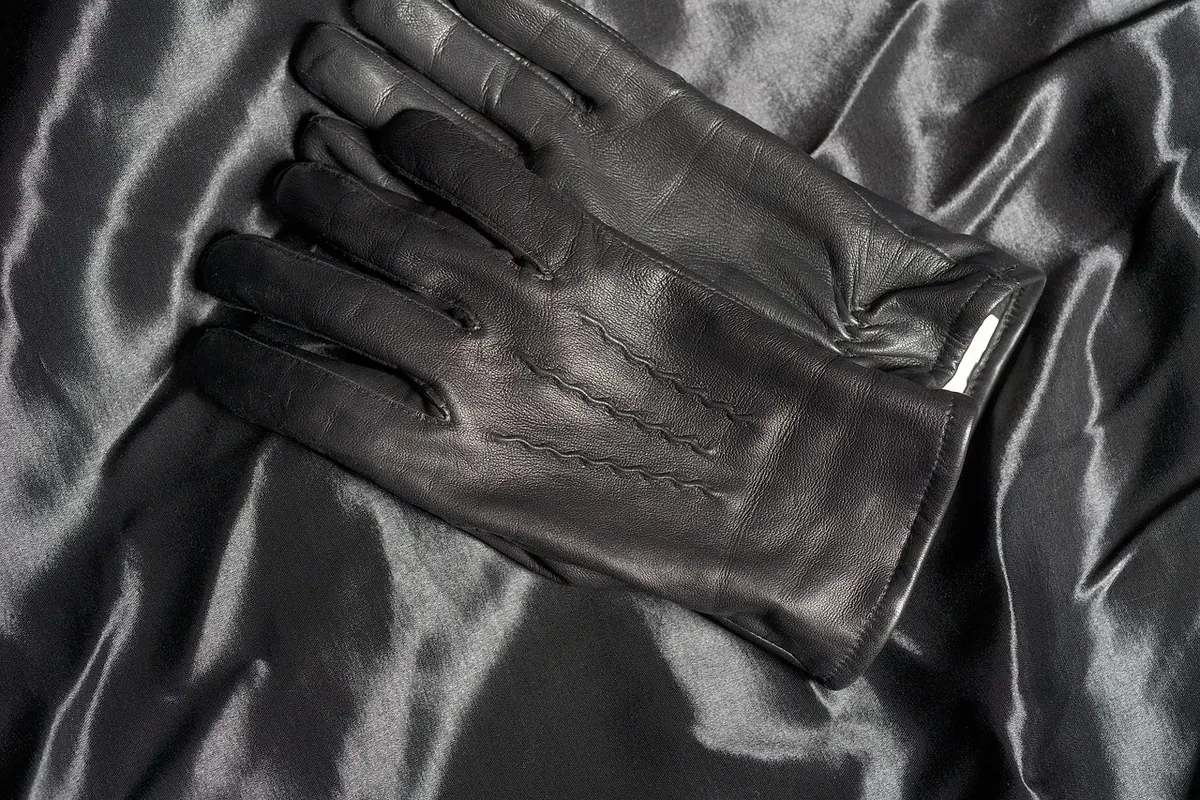
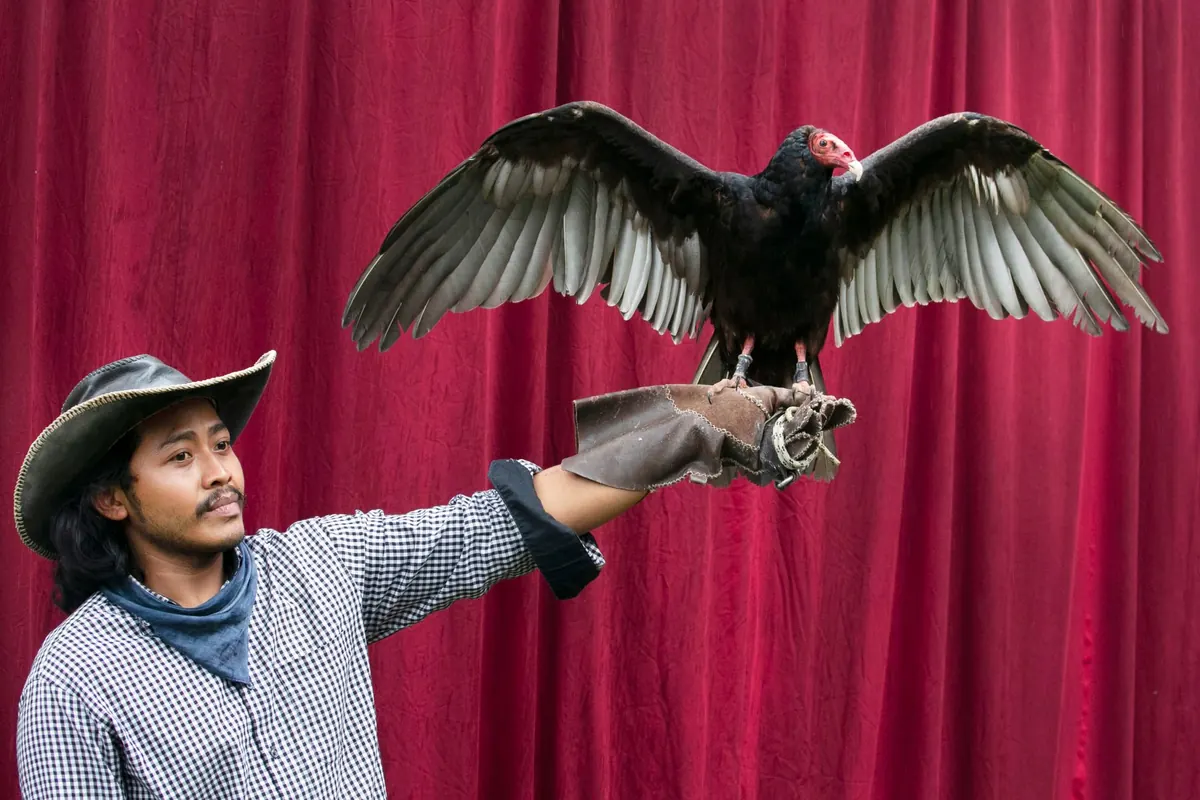
The glove is the only piece of kit that touches the bird every day, so it comes first. You will carry on one hand, usually the left if you are right-handed, and that hand needs a proper falconry gauntlet: leather, with a stiff cuff that covers the wrist and reaches most of the way to the elbow.
Fit matters more than looks. A loose glove lets the bird shuffle about, so the talons dig into your fingers instead of gripping the leather. One that is over-padded or hopelessly stiff stops you feeling the bird's grip, and that grip is how you learn what the bird is about to do before it does it. Buy for the species you intend to fly, not for the heaviest bird you might one day own.
Breaking in a new glove
Do this before the bird arrives. Wear it about the house, flex the fingers, and let the leather soften at the creases. Look hard at the stitching at the finger ends, because that is where gloves usually fail. Keep it dry, treat it sparingly with a suitable leather dressing, and store it somewhere with airflow rather than in a sealed bag in a cold shed.
Jesses, Swivel and Leash
This set of three does the real work: it connects the bird to you, connects the bird to its perch, and takes the twist when the bird spins on the fist or bates off the block.
Jesses
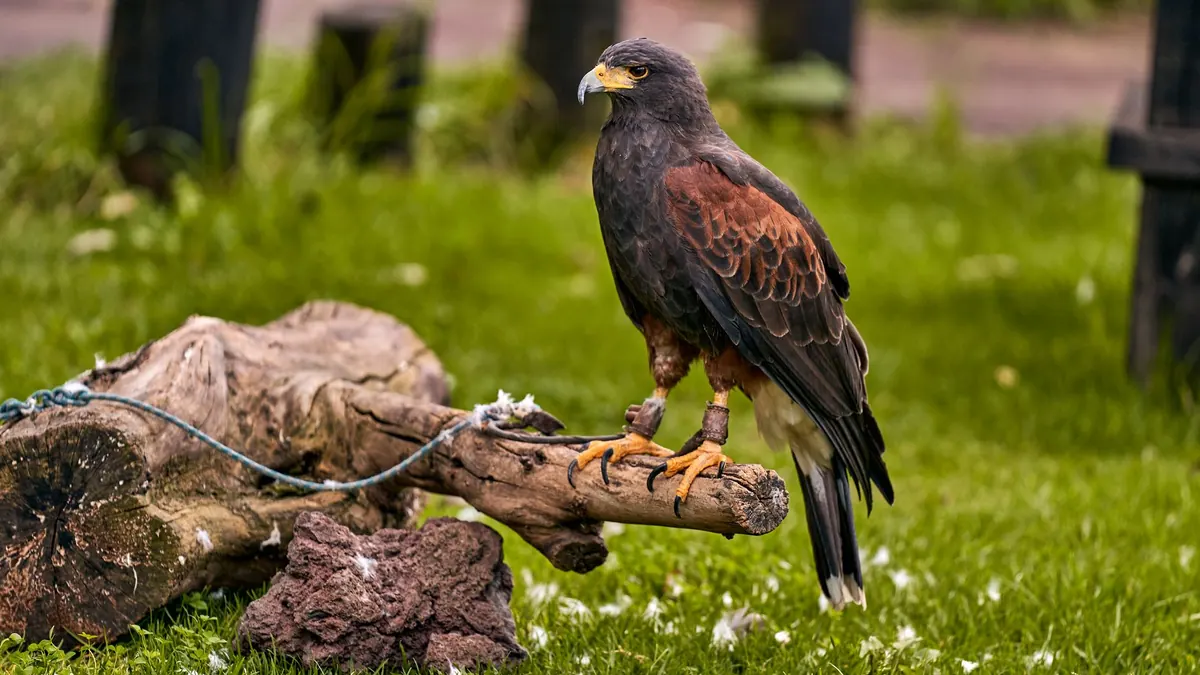
Jesses are the soft straps fitted around the bird's legs, above the foot. Traditional jesses slip on and off through a slit. Aylmeri jesses use an anklet that stays on the leg permanently, with a removable jess buttoned to it. For a beginner, Aylmeri jesses are generally easier to manage and kinder to the bird, because the everyday strap can be swapped without repeatedly handling the leg.
Whatever style you use, check the fit. Too narrow and the leather cuts; too wide and it bunches and rubs. They should be short enough that the bird cannot tread on the ends and long enough that you can hold them comfortably with the swivel attached. Inspect them weekly and replace at the first sign of cracking, stretched holes or thinning. Leather jesses do not last forever, and once they have been soaked a few times they go downhill quickly.
The swivel
Between the jesses and the leash sits a swivel: two rings joined by a rotating barrel. When a bird bates and spins at the end of the leash, the swivel absorbs the twist rather than the bird's legs. A swivel that jams or pulls apart means a lost bird, so buy well-made ones in the correct size for the species. Check the barrel turns freely before every trip out and carry a spare in your bag.
The leash
Leashes are usually leather, sometimes braided synthetic, and short enough to keep the bird under control without loading the fist with weight. Attach it to the swivel with a knot you trust and can tie in poor light, then check the length for worn patches and stretched splices. A dog lead is not a leash.
Scales
Buy accurate scales before the bird, because weight is how you read a bird's condition. A digital scale reading to the nearest gram is worth having for a small hawk; larger birds are more forgiving, but the habit of weighing is identical. Plenty of falconers use a kitchen or postal scale with a small T-perch or bowl on top, tared to zero before the bird steps on.
Check the scale against a known weight now and then, keep it clean and dry, and weigh at the same time each day before feeding. Write the number down. A daily weight record will teach you more about a bird than any amount of guessing from behaviour. If the figure drops unexpectedly, or the bird will not come back to a weight it should, take advice. Have the details of a vet experienced with birds of prey to hand before anything goes wrong, and ask them rather than relying on internet forums for health questions.
Housing: Mews, Weathering Area or Perch
Your bird needs somewhere dry, ventilated and secure. That might be a mews, a weathering area open to the elements but with proper shelter, or an indoor perch while you sort out something better.
Perch and floor
Use a perch the bird cannot quite close its foot around; if the toes meet underneath, it is too small. Bow perches and blocks are the usual choices, with a surface that does not abrade the feet and can
Photo: leo2014 / Pixabay
Falconry Gift Guide: Presents for the Falconer in Your Life
A practical falconry gift guide: useful presents at every budget, how to judge leather and metalwork, and...
Flying Weight Explained: Reading Your Bird's Condition Safely
How to find and hold a working bird's flying weight, score condition by hand, and build a daily weighing...
About Us